

Chacaltaya Atmospheric Observatory Advances Toward Integration into ACTRIS
Published: 15, May, 2026
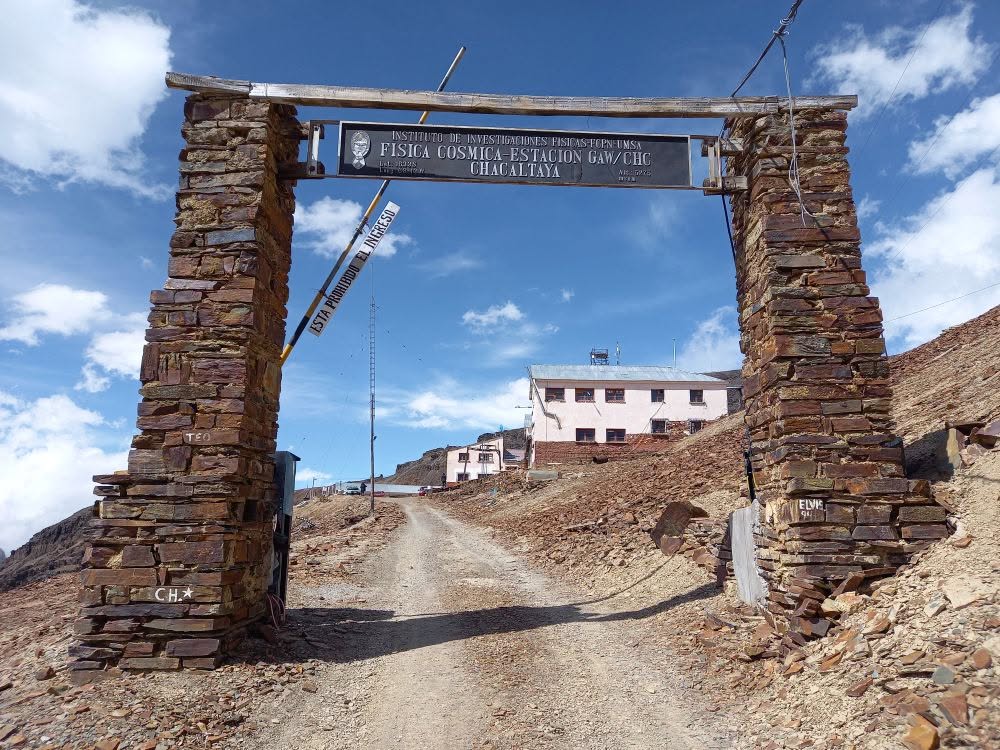
Located at more than 5,200 meters above sea level, the Chacaltaya Climate Observatory - one of the highest atmospheric research stations in the world- is preparing to take a major step forward in its scientific development.
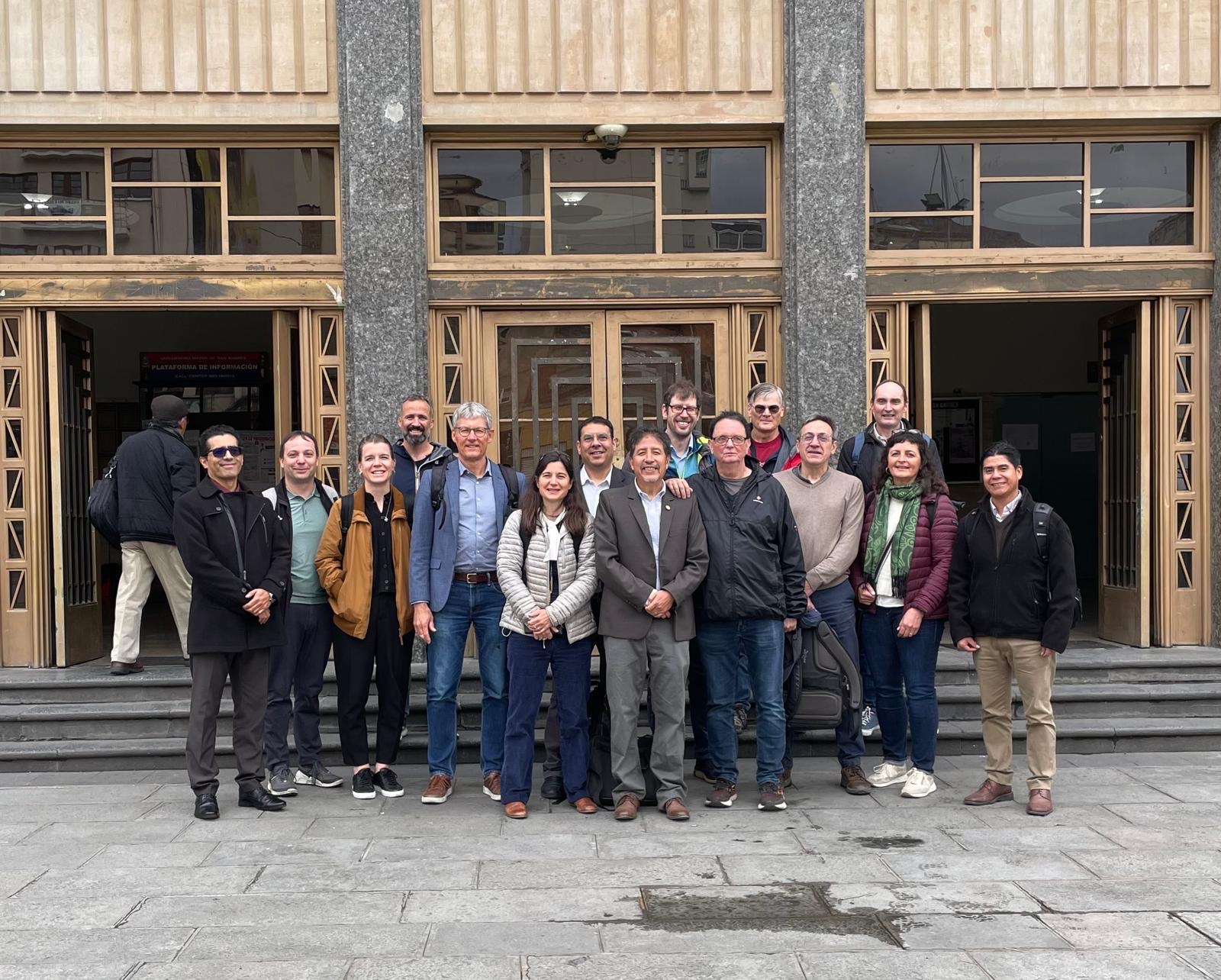
From 27 April to 1 May 2026, a delegation of 14 scientists from Europe and the United States visited Bolivia to support the observatory’s candidacy and assess its readiness to meet ACTRIS standards. The mission brought together experts from TROPOS, PSI, CNRS, Stockholm University, the University of Helsinki and MeteoSwiss working alongside the Atmospheric Physics Laboratory (LFA) of the Universidad Mayor de San Andrés (UMSA), which operates the station.
This visit builds on a long-standing international scientific collaboration. Since 2011, instruments have been deployed at the Chacaltaya site to measure the physical and chemical properties of the regional and global atmosphere. Observations focus in particular on atmospheric aerosols (such as black carbon and mineral dust), greenhouse gases including carbon dioxide and methane, as well as reactive gases such as tropospheric ozone.
A Site of Global Importance
The Chacaltaya Observatory has been part of the World Meteorological Organization’s Global Atmosphere Watch(GAW) network since its establishment. In 2022, it was granted “Global Station” status, a distinction held by only one other station in South America: Ushuaia, Argentina.
This recognition highlights the exceptional scientific value of the data produced at Chacaltaya for understanding atmospheric processes in the Southern Hemisphere and their influence on the global climate system.
The station is fully operated by Bolivian personnel from UMSA’s Institute of Physics Research, to which the Atmospheric Physics Laboratory belongs. However, its operation relies on close and long-term international cooperation involving scientists from numerous countries, including France, Germany, Sweden, Italy, Spain, Switzerland, Finland, and the United States.
This collaboration has been essential for instrument maintenance, the acquisition of spare parts, advanced technical training, and data interpretation. It has received consistent support from international organizations, particularly the French National Research Institute for Sustainable Development.
Assessing Readiness for ACTRIS
A key objective of the mission was the implementation of a first ACTRIS pre-audit, conducted alongside a regular GAW quality audit. These assessments reviewed the station’s measurement capabilities, operational procedures and data quality standards, while identifying the steps needed for future integration into ACTRIS.
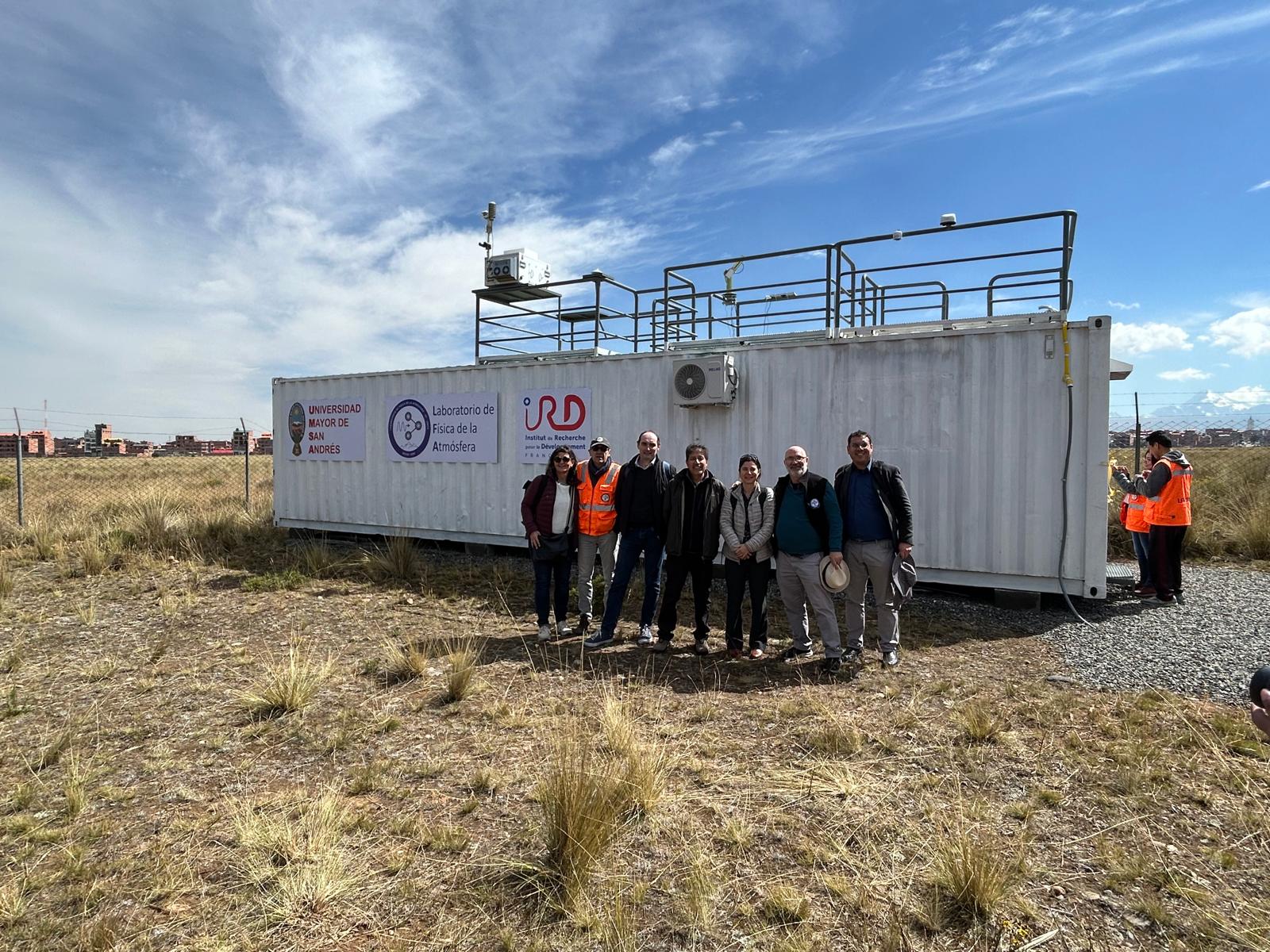
The visit also provided an opportunity to discuss long-term support for the observatory, including instrument maintenance, calibration activities, training and sustainable operation. In parallel, scientists inaugurated a new atmospheric monitoring station at El Alto International Airport, partially funded by the ANR Project OBS4CLIM, further strengthening Bolivia’s atmospheric observation network.
Strengthening International Cooperation
Beyond the technical evaluations, the mission highlighted the strong international commitment supporting Chacaltaya. Representatives of the scientific consortium met with diplomatic stakeholders in La Paz to discuss the long-term development of the station and its contribution to global climate and atmospheric research.
Integration into ACTRIS would represent a major milestone for both the observatory and Bolivian science. For ACTRIS, Chacaltaya would provide a unique observation platform in the tropical Southern Hemisphere, helping to fill a critical geographical gap in the global atmospheric monitoring network. For Bolivia, it would further strengthen the country’s role in international research on climate change, air quality and atmospheric composition.